EdGate Powers Podcast #33 - with Daylene Long
Preparing students for the workforce requires more than teaching technical skills or introducing students to potential careers. Students need opportunities to experience what different jobs involve, develop critical thinking and problem-solving abilities, and discover whether a career path fits their interests and strengths. As workforce expectations evolve, schools face growing pressure to give students practical experience before they graduate.
In this episode of the EdGate Powers Podcast, Rich Portelance speaks with Daylene Long, founder of Catapult X, about the changing priorities in Career and Technical Education (CTE) and what educators are asking for from education companies. Drawing on her experience in education market research and CTE, Long discusses why work-based learning has become a major priority, how industry partnerships can strengthen career pathways, and why students need more opportunities to explore their options before committing to a particular field.
The conversation also examines the connections between academic standards and CTE standards, including how interdisciplinary and project-based learning can help students apply classroom knowledge to real-world challenges. Long shares why durable skills remain essential across changing careers, how businesses can support CTE programs beyond familiar funding sources, and why education companies should listen directly to current educators and students. She also discusses the role of AI in education, emphasizing the importance of helping students understand the technology rather than simply using it to complete tasks.
In this episode, you will learn:
- Why work-based learning, internships, and apprenticeships are priorities for CTE educators.
- How students can develop critical thinking, communication, problem-solving, and other durable skills through real-world experience.
- How academic standards and CTE standards can work together to connect classroom learning with workforce preparation.
- Why interdisciplinary instruction and project-based learning can make academic concepts more relevant to students.
- How student interests and career exploration should influence CTE pathways and course offerings.
- How local businesses, CTE advisory boards, and community colleges can help schools develop workforce-relevant programs.
- What education companies should understand about CTE funding, industry partnerships, and district-specific needs.
- How educators can approach AI literacy and responsible AI use across different stages of student development.
Why This Conversation Matters
CTE can help students understand how their education connects to the world beyond school, but those connections require more than a list of courses or technical competencies. Students benefit from opportunities to test their interests, learn from real workplace experiences, and develop durable skills they can carry into different roles throughout their lives. Connecting academic instruction with career preparation can also help schools create learning experiences that are more integrated, relevant, and responsive to individual student goals.
For education companies, this work begins with understanding the people and systems that shape CTE programs. Industry partnerships, local funding arrangements, district priorities, and student interests all influence which opportunities become available. Long emphasizes that companies should look beyond publicly visible funding sources, participate in CTE advisory boards, and seek feedback from current educators. Listening to students matters just as much: a pathway is more meaningful when it reflects what learners want to explore rather than simply what a school already offers.
Join Rich and Daylene as they explore how schools can connect academic learning with career preparation, expand access to work-based learning, and build stronger partnerships among educators, students, and employers. Their conversation offers a practical look at how durable skills, student voice, industry collaboration, and thoughtful curriculum design can help make CTE more relevant to the careers and opportunities students will pursue.
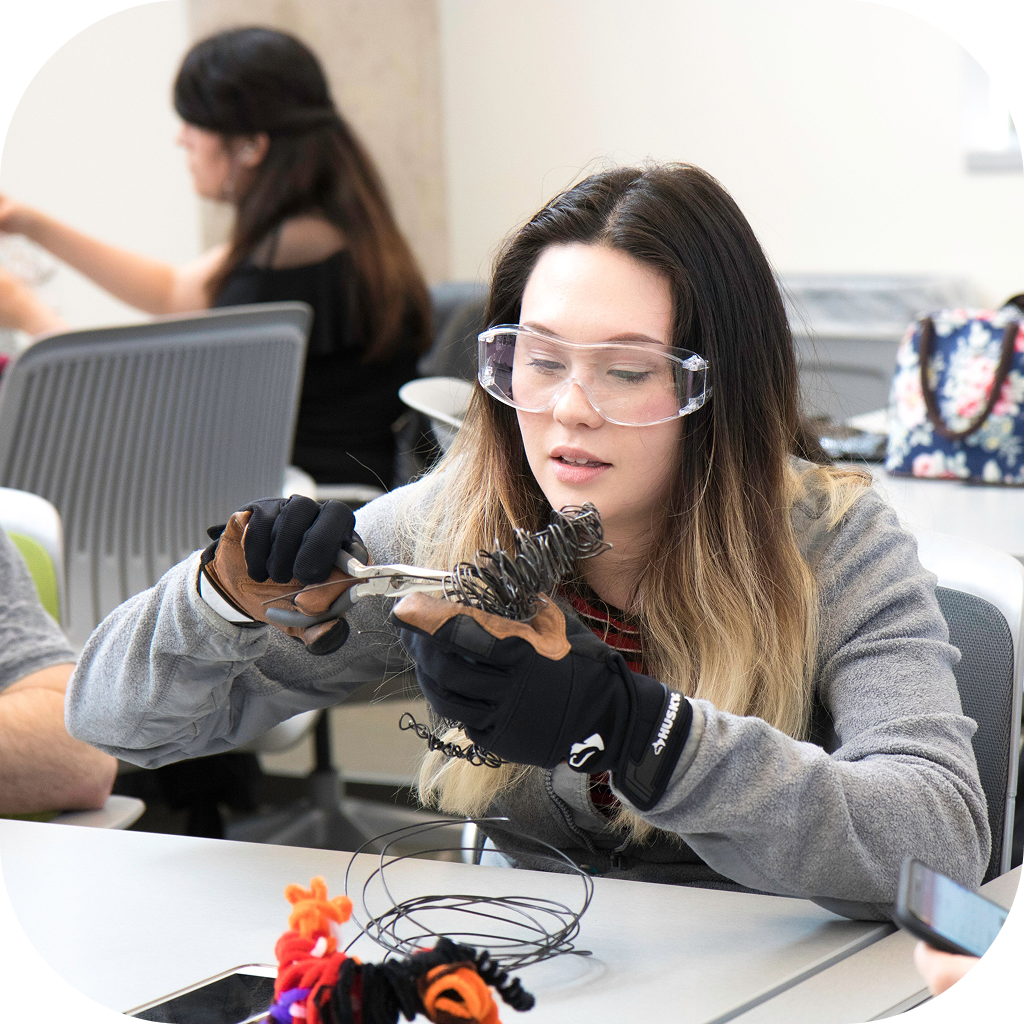
Learn more about how connecting classroom learning with real-world experiences can better prepare students for the workforce.
Daylene Long is a marketing and product strategy leader who helps CTE and STEM education organizations connect their products and services with the needs of educators and the workforce. As founder of Catapult X, she combines market research, educator insights, product development, and emerging AI technologies to uncover opportunities and drive growth in the education market. Her work has supported organizations including Vernier Software & Technology, Smithsonian Science, Bio-Rad, Pivot Interactives, and MindLabs. Daylene brings a unique perspective on how understanding educators and industry can help shape stronger products, programs, and pathways into STEM and career-focused fields.
Rich is passionate about eEdTech and helping people discover pathways to successful careers. He leverages his many years of business experience in strategy, product development, brand creation and sales & marketing as a frequent industry speaker and sought after consultant.
Beginning his career in digital marketing and web development, Rich was recruited into the private, independent school market to help usher in digital technologies and social media. During this time, Richard served as a student advisor and was nominated to serve on the CAIS (Connecticut Association of Independent Schools) Technology Commission. In 2012, Rich joined York & Chapel, a brand and digital transformation agency where he began working with secondary and higher ed clients, developing strategies for student engagement and pathway creation. In 2014, Richard founded CareerPath, a SaaS engagement platform. Over the past ten years, Rich has given back to the industry as an advisor to numerous EdTech startups, and generally has had a blast doing what he loves to do — help others succeed.
Questions Answered
During the podcast, we tackle critical questions that districts are asking about changing workforce expectations, the importance of work-based learning, and helping students explore career paths.
- What makes CTE more important today than it was 10–20 years ago?
- What do CTE educators need that education companies may be overlooking?
- Why are CTE educators prioritizing internships and apprenticeships?
- Why do students lack workplace readiness and critical-thinking skills?
- Where are academic and CTE standards helping educators, and where are they falling short?
- How can CTE programs balance technical skills with transferable skills?
- What do education companies misunderstand about entering the CTE market?
- How can employers help shape CTE programs without dictating curriculum?
- Whose voices are missing from CTE program decisions?
- How can AI support student career exploration and preparation?
- How can curriculum and technology providers remove barriers to CTE access?
- What can education companies and leaders do to support CTE educators and students?